Big feelings & worry
Anxiety, fears, frustration, sadness, and emotional overwhelm can be difficult for children to name and manage.
Child Therapy · San Francisco
When feelings are big and words are hard to find, play and connection can open another way to communicate. I offer warm, creative, relational support for children and their families.
Inquire about child therapy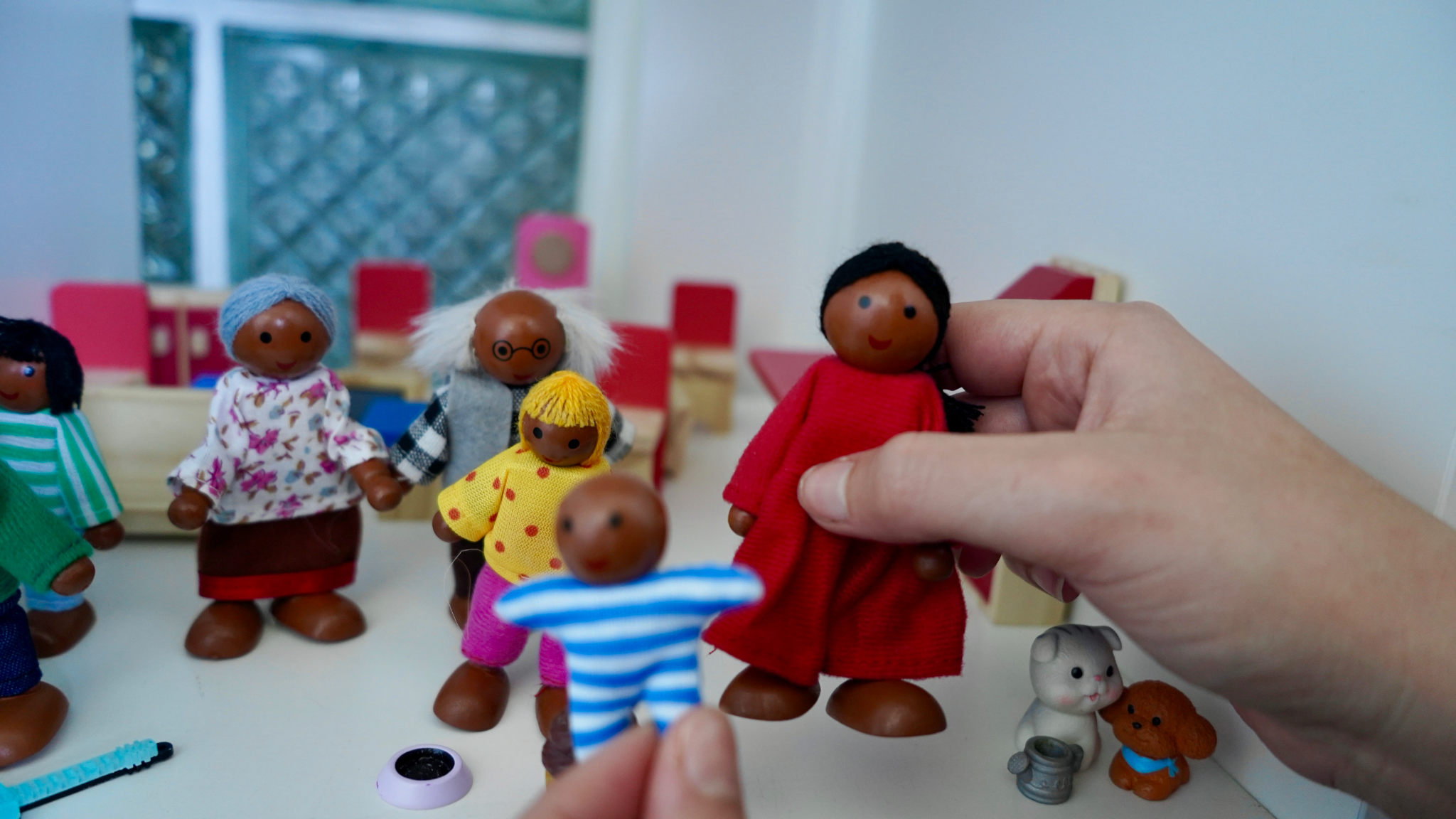
For parents and caregivers
Perhaps your child is having more meltdowns, struggling with separation, withdrawing from activities, or finding it difficult to share what's going on. You might see a child who seems fine at school but falls apart at home. Or you might simply notice that something feels different.
Therapy can offer a place to understand what your child may be communicating through behavior, play, and emotion—without reducing them to a problem that needs fixing.
Reasons families reach out
Anxiety, fears, frustration, sadness, and emotional overwhelm can be difficult for children to name and manage.
New schools, separation, family changes, grief, and other transitions can affect a child's sense of security.
Friendship difficulties, family conflict, sensitivity, and feeling misunderstood may all deserve thoughtful attention.
Children can also benefit from therapy when there isn't one clear event or diagnosis explaining their distress.
My child therapy modalities
My approach is child-centered and developmentally attuned. I draw on play, expressive arts, and sand tray work to give children multiple ways to explore feelings and experiences, without expecting them to explain everything in words.
Children communicate through play. Rather than directing every activity or asking a child to talk before they're ready, I follow their interests, choices, and pace. Within a consistent and accepting therapeutic relationship, play can offer space for self-expression, emotional exploration, and a growing sense of agency.
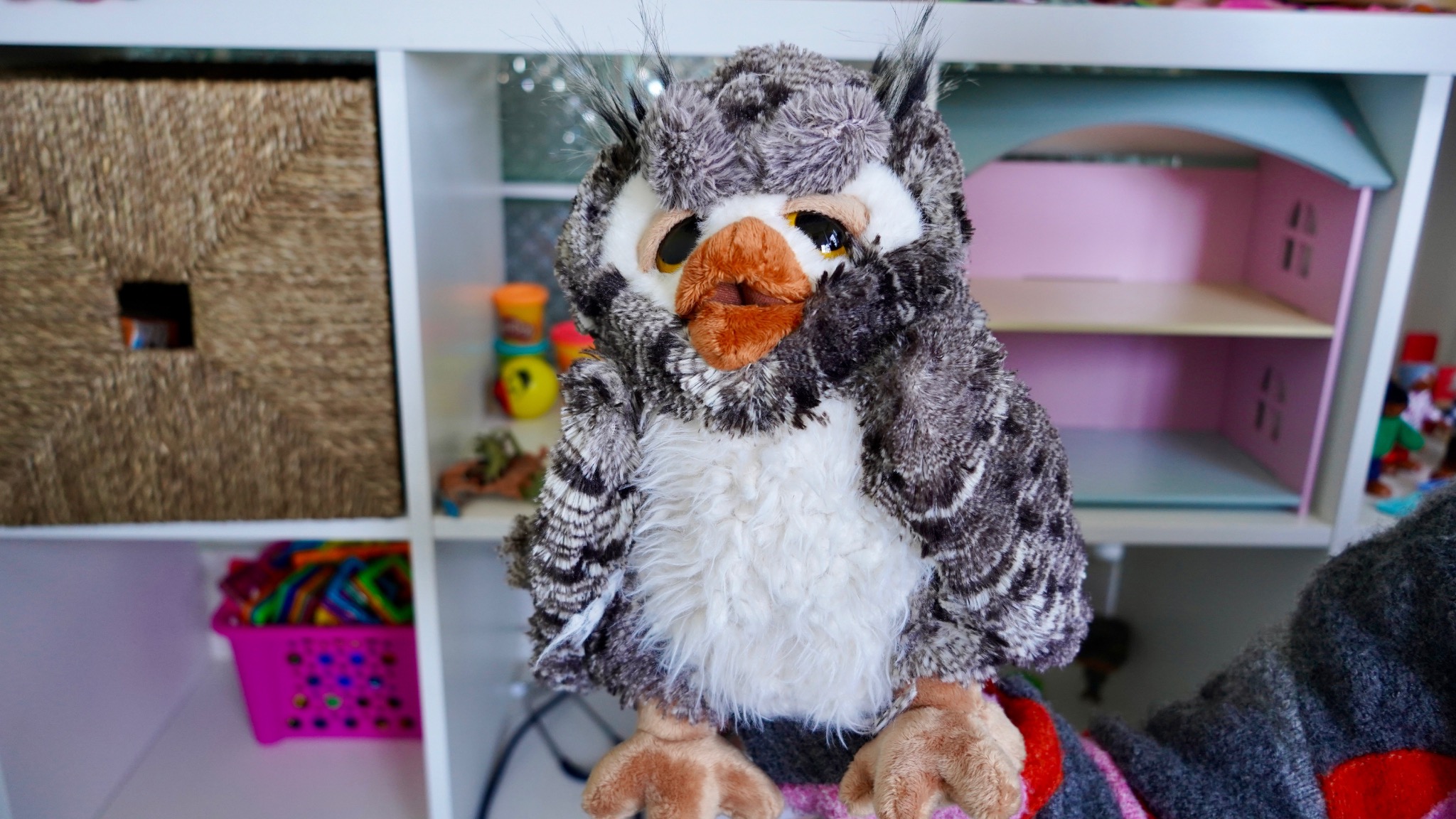
Drawing, painting, storytelling, puppets, movement, and imaginative activities can help children express experiences that are difficult to describe. The focus is on the process of creating and exploring—not on making something beautiful or doing it the “right” way.
Sand tray work invites children to use miniature figures and objects to create scenes, stories, and worlds. These symbolic forms of play can offer another way to explore relationships, feelings, worries, and possibilities, at a pace the child chooses.
Following the child's lead
Whether a child chooses a puppet, a paintbrush, a miniature figure, or quiet conversation, I pay attention to what matters to them in that moment. My role is to offer an attuned relationship, thoughtful boundaries, and a space where their expression can unfold.
My somatic background also informs how I notice the body's responses to excitement, uncertainty, frustration, and connection. I approach these experiences with curiosity rather than pushing a child to talk or regulate on command.
We can collaborate with caregivers to understand your child's needs while respecting the privacy and trust that make the therapeutic relationship possible.
Play-based therapy
Adults often process experiences through conversation. Children may express themselves more naturally through toys, puppets, drawings, stories, and movement. In therapy, these forms of expression offer opportunities to explore feelings, relationships, and experiences in developmentally responsive ways.
There isn't a requirement to talk about everything directly. I follow the child's cues and interests while paying attention to their emotional and relational world.
Learn about my approach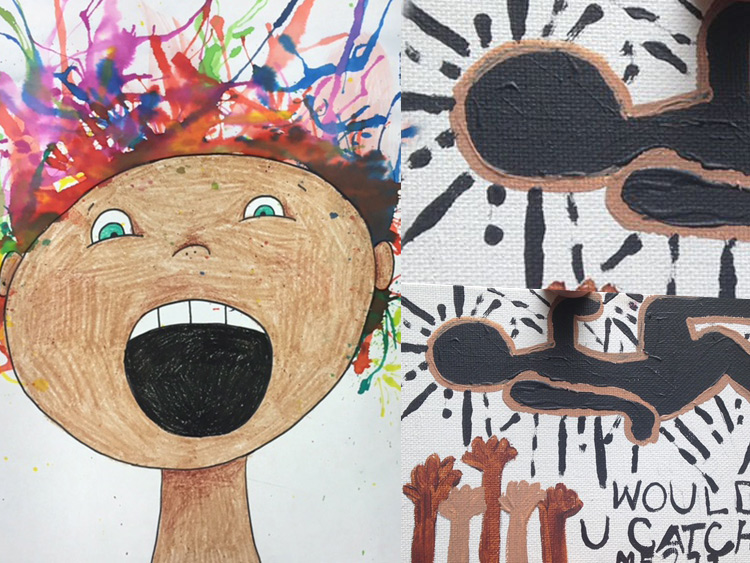
Somatic & relational care
Children often show stress through movement, restlessness, tension, or a need to withdraw. We can gently explore body signals and supportive ways to respond.
Art, stories, and play can make space for emotions that feel confusing, intense, or difficult to say aloud.
A consistent therapeutic relationship can support trust, curiosity, and new ways of relating to others.
Early sessions focus on getting to know your child and understanding your family's concerns. Depending on your child's age and preferences, sessions may involve imaginative play, drawing, sensory exploration, storytelling, movement, and conversation. Activities are chosen thoughtfully rather than following a fixed script.
Parents and caregivers are important parts of a child's world. We'll discuss how to collaborate, what information is useful to share, and how to protect the child's therapeutic space. The right level of caregiver involvement depends on the child's age, needs, and circumstances.
Starting something new can be intimidating. We can approach introductions slowly, talk about what to expect, and make room for the child's feelings about therapy itself.
We can begin with a conversation about your concerns, my approach, practical details, and whether I am the right person to support your child. If a different service would be more appropriate, that is important to recognize, too.